
When is the best time to visit Sri Lanka?
For many travellers, December to March is a useful starting point for the south and west coasts and a circuit through the cultural sites and hill country. If you are travelling between approximately May and September, consider giving more of your beach time to the east coast. Neither choice guarantees sunshine: tropical showers, wind and rough sea conditions can occur outside the usual patterns.
Rather than looking for one perfect month across the whole island, start with your priorities. A family that wants relaxed beach days near Mirissa may choose different dates from a surfer interested in the east. A visitor interested in tea country and temples can build a rewarding trip in many months by keeping the daily plan flexible.
Sri Lanka Tourism’s weather guide describes the broad seasonal patterns. For actual conditions, check location-specific forecasts and warnings from the Department of Meteorology shortly before and during your journey.
How Sri Lanka’s seasons and monsoons work
Sri Lanka Tourism describes a southwest monsoon from approximately May to September and a northeast monsoon from December to February. There are transition periods around March–April and October–November. The southwest system tends to bring more rain to the west and south, while the northeast system affects the north and east. Rain does not follow a border on a map: the hills, coast and inland plains can experience quite different conditions on the same day.
A monsoon is a seasonal pattern, not a promise of rain every hour. Equally, a traditionally drier month does not mean a beach will be calm every day. Build in a spare afternoon when you can, check local advice for swimming or boat trips, and let your accommodation know if weather changes your arrival plans.
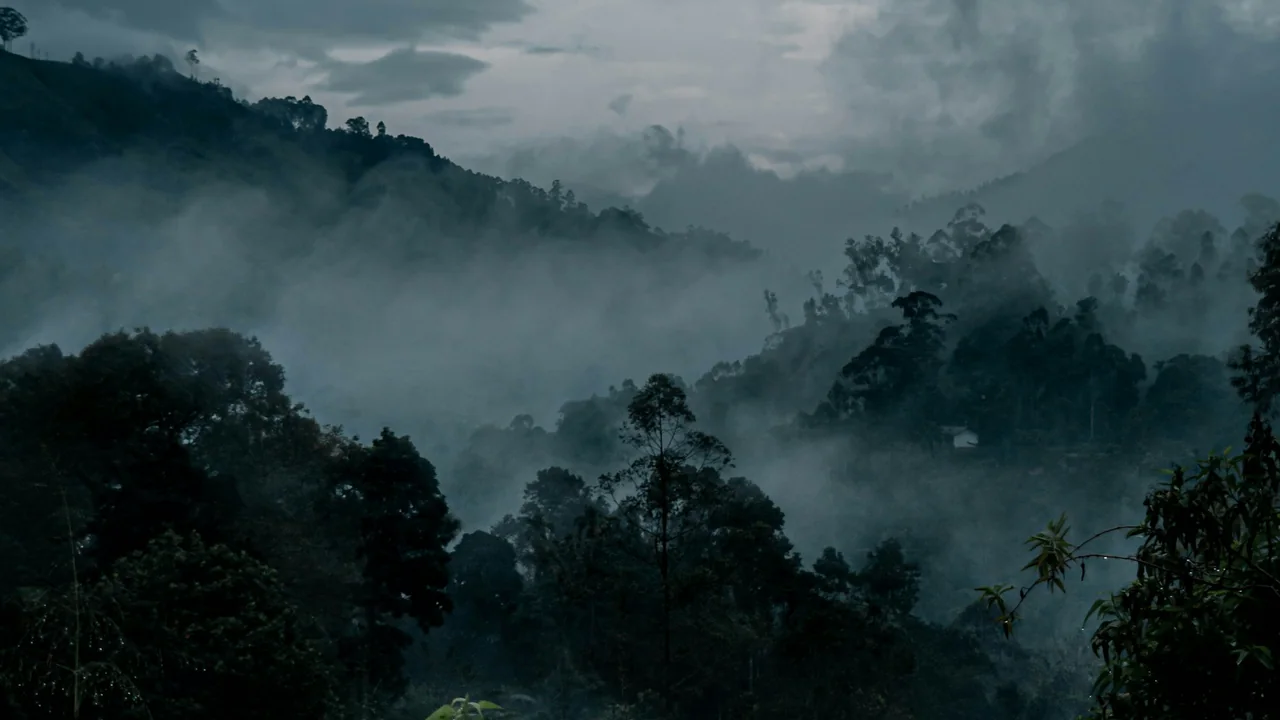
The central highlands add another layer. Kandy, Nuwara Eliya and Ella have different elevations and local conditions; a dry morning can give way to mist or rain. Carry a light rain layer and warmer clothing for the hills even when you are packing mostly for the coast.
Sri Lanka weather by month: a planning guide
These summaries describe broad tendencies, not forecasts. Choose your coast and book activities with enough flexibility to respond to the conditions in your particular year.
- January: The south and west are often popular beach choices. Add the Cultural Triangle or hill country, while checking current conditions in the north and east.
- February: A useful month for combining south-coast time with inland sightseeing. Local rain and changes in sea conditions remain possible.
- March: The south and west can still suit a beach-and-culture route. As the transition approaches, allow for heat, humidity and occasional thunderstorms.
- April: A transition month that can bring showers in different regions. An itinerary with more than one night in each base makes it easier to adjust outdoor visits.
- May: Consider the east coast as the southwest monsoon develops. Inland stops remain possible, but check forecasts for the exact route.
- June: East-coast beaches can be a useful focus, while the west and south may be wetter. Be prepared for variable conditions in the hills.
- July: The east is often chosen for a coast-and-culture trip. Book around your preferred dates and check activity operators’ current conditions.
- August: Consider an east-coast stay with Sigiriya, Dambulla or other inland stops. The hills can still be included with weather flexibility.
- September: The east can remain attractive, although seasonal transitions vary. Avoid relying on a single day for an essential outdoor experience.
- October: Inter-monsoon weather can be unsettled across the island. Plan shorter outdoor blocks and have alternatives for heavy showers.
- November: Rain and thunderstorms remain possible in the transition period. Check forecasts for each stop instead of assuming that either coast will be dry.
- December: Travellers often return to the south and west for beach stays. Popular holiday dates may require earlier accommodation planning.
For any month, ask hotels and activity providers about their cancellation terms, especially if an excursion depends on sea or mountain conditions.
South and west coast: Mirissa, Galle and Bentota
If your idea of a holiday is a mix of coastal towns, food and relaxed beach time, the south and west are commonly considered from December through March. A journey might combine Bentota or Galle with Mirissa, then head inland towards Ella. In the wetter part of the year, these places still have restaurants, cultural stops and attractive scenery, but leave more room for rain and changing sea conditions.
Swimming conditions vary significantly by beach and day. Ask locally about currents and heed posted warnings; a sunny morning alone does not make the sea safe. For a whale-watching trip, check the operator’s current sailing conditions and animal-welfare practices. Wildlife encounters are never guaranteed, so avoid building your entire trip around a sighting.
East coast: Trincomalee, Pasikudah and Arugam Bay
Between roughly May and September, the east coast is often considered for trips that prioritise the sea. Trincomalee and the nearby coastline offer a different base from Pasikudah or Arugam Bay, so select a location for the experience you want rather than assuming they are interchangeable. Travel distances can be significant; fewer hotel changes usually leave more time to enjoy the coast.
If snorkelling, swimming or surfing is important, ask a local provider about the specific beach, experience level and current weather before making plans. Sea conditions change, facilities may be seasonal, and an itinerary should allow for the possibility that a boat or lesson cannot operate.
Hill country and scenic trains
Kandy, Nuwara Eliya and Ella can be worked into an itinerary in many seasons. Hillside viewpoints, tea estates and walks are especially affected by cloud and rain, so try to stay at least two nights if a particular hike matters to you. It can be cool early and after sunset; footwear with grip and a light layer are useful alongside rain protection.
The train is a memorable way to see part of the highlands, but schedules, availability and weather-related operations can change. Nanu Oya is the station used for Nuwara Eliya and requires a road transfer. Compare options in our Nanu Oya to Ella train guide and train ticket booking guide. If you book a tour with us, we can help with ticket arrangements, subject to availability and confirmation.
Cultural Triangle and wildlife planning
Sigiriya, Dambulla and nearby cultural sites work well as an inland part of many itineraries. An early start can help with heat and crowds, but opening conditions and weather should always be checked locally. Wear practical shoes and carry water; for religious sites, bring clothing that covers shoulders and knees and follow instructions at the entrance.
National parks and wildlife are affected by local rainfall, water levels, animal movement and park operations. Choose a reputable operator, follow park rules and avoid promises of a particular sighting. If wildlife is your main reason for visiting, discuss current options before committing to a non-refundable activity.
Two flexible ways to plan your route
December–March idea: After arrival, visit the Cultural Triangle and Kandy, spend time in the hill country, then finish on the south or west coast. This gives you a combination of temples, landscapes and beach time without insisting that every stop has perfect weather.
May–September idea: Combine the Cultural Triangle with an east-coast base. If the hill-country train or Ella is a priority, include it with a spare day and check the forecast rather than trying to fit the whole island into a few days.
These are starting points, not fixed tours. Use our Sri Lanka travel map and route guide and Sri Lanka itineraries to adjust the direction and number of nights to suit your flights, interests and pace. Families, photographers and travellers who dislike frequent packing may prefer longer stays over a long list of stops.
Choose your season around the experience you want
For a relaxed beach holiday: Give the beach destination several nights rather than treating it as a short stop after a long drive. A longer stay gives you more chances to choose a suitable day for swimming or a boat trip. Ask your hotel about the conditions at its specific beach; beaches a short distance apart can be exposed to different currents.
For walking and photography: Put a highland walk or viewpoint early in a stay rather than immediately before departure. Carry a small waterproof bag for electronics, and ask a local guide about trail conditions following heavy rain. If mist obscures a view, a tea estate visit or a market can be a worthwhile alternative while you wait for a clearer period.
For families: Consider a route with fewer changes of hotel, a pool or indoor space for wet afternoons and flexibility around meal and rest times. Share children's ages and luggage needs when asking for a vehicle, and discuss any required child seats before booking. Avoid making a tight same-day connection between a train and a flight.
For food and cultural interests: A less beach-focused trip offers room for temples, cooking experiences, markets and historical sites. Ask providers about opening days and any festival-related changes. If your dates are fixed by school holidays, build the route around those dates and use the weather guidance to choose the most suitable coast, rather than cancelling a good trip because one region may be wetter.
Planning for crowds, cost and changing weather
Popular holiday periods can mean higher demand for rooms and transport, especially around international school holidays and year-end. If you have a particular hotel, room type or rail journey in mind, ask early and review the cancellation conditions. Off-peak dates may offer more choice, but lower demand alone does not guarantee a particular price or weather.
Keep the most weather-sensitive activity away from the final day if possible. On a rainy day, a cooking experience, museum or leisurely meal may be a more comfortable alternative to a long exposed walk. If roads or services are disrupted, follow official advice and allow your accommodation and transport provider time to rearrange plans. Our travel safety and advice guide links to official sources for checking current conditions.
For a journey that joins several regions, a Sri Lanka chauffeur guide can help you plan the order of stops and discuss reasonable alternatives. Before confirming, ask what your quotation covers and whether any activity or train ticket is separate.
Frequently asked questions about Sri Lanka’s weather
Is there a single best season to travel to Sri Lanka?
The best season to travel to Sri Lanka depends on the coast and activities you choose. The best time to travel to Sri Lanka is different for a south-coast beach trip than for an east-coast stay. Use forecasts for each destination rather than assuming one month suits the entire island.
What is the best month to travel to Sri Lanka?
There is no single best month for every part of the island. Start with the activities and regions that matter to you, compare the month-by-month guidance above, and keep outdoor plans flexible.
Can I visit Sri Lanka during the monsoon?
Yes. Visitors travel in every month, but the most suitable route depends on the season and current conditions. Expect some disruption to outdoor or sea activities and keep alternatives in your plan.
What should I pack for different regions?
Bring lightweight clothing for warm areas, a rain layer, comfortable shoes, sun protection and an extra layer for cooler highland evenings. For temples, carry suitable clothing to cover shoulders and knees.
Can I combine Ella and the south coast?
Yes. The journey is a popular way to join hills and beaches. Read our Ella to Mirissa guide and leave time for stops and changing road conditions.
Ready to plan around your dates? Request a tailored Sri Lanka itinerary and tell us your preferred regions, activities and travel pace.
