
Start planning your Sri Lanka train journey
Train travel in Sri Lanka can take you through hill-country tea estates, towns and valleys, or along sections of the coast. It also changes the rhythm of a holiday: you spend time travelling between stations instead of stopping wherever you wish on the road. Choose your rail journey because it fits the places you want to visit, not simply because a photograph looks appealing.
Start with four details: where you will sleep before the journey, where you want to be afterwards, which day you can devote to the train, and how much flexibility you have if the train or seat is unavailable. The station name can differ from the town name. Nuwara Eliya, for example, is connected by road to Nanu Oya railway station.
Services may be disrupted and seats can sell out. Check Sri Lanka Railways notices, the official train timetable and the official reservation platform for your exact date. A timetable listing alone does not confirm that a train is running or that your seat has been reserved.
Which Sri Lanka train route suits your trip?
Think of the railway as a choice of individual sections. There is no need to use the same train for the whole holiday: many travellers prefer a selected rail leg combined with an agreed road itinerary. These common starting points answer different travel questions.
- Kandy to Ella: consider this longer hill-country route if the journey itself is a priority and you can leave much of the day flexible. Confirm that your full service operates. See the Kandy to Ella train guide.
- Nanu Oya to Ella: consider a shorter hill-country leg if you are already staying around Nuwara Eliya. Include the road connection to Nanu Oya station. See the Nanu Oya to Ella guide.
- Colombo to Kandy: consider this for a journey from the capital towards the cultural region, particularly if Ella is not part of your trip. Check which Colombo station your service uses. See the Colombo to Kandy guide.
- Coastal journeys: search the operator's stations when travelling towards Galle or other southern towns. Check the specific service and stopping pattern rather than assuming that all trains stop at every destination.
For a closer look at scenery, carriage choices and the famous hill-country ride, read our complete Sri Lanka train ride guide.
Longer or shorter train ride: how to decide
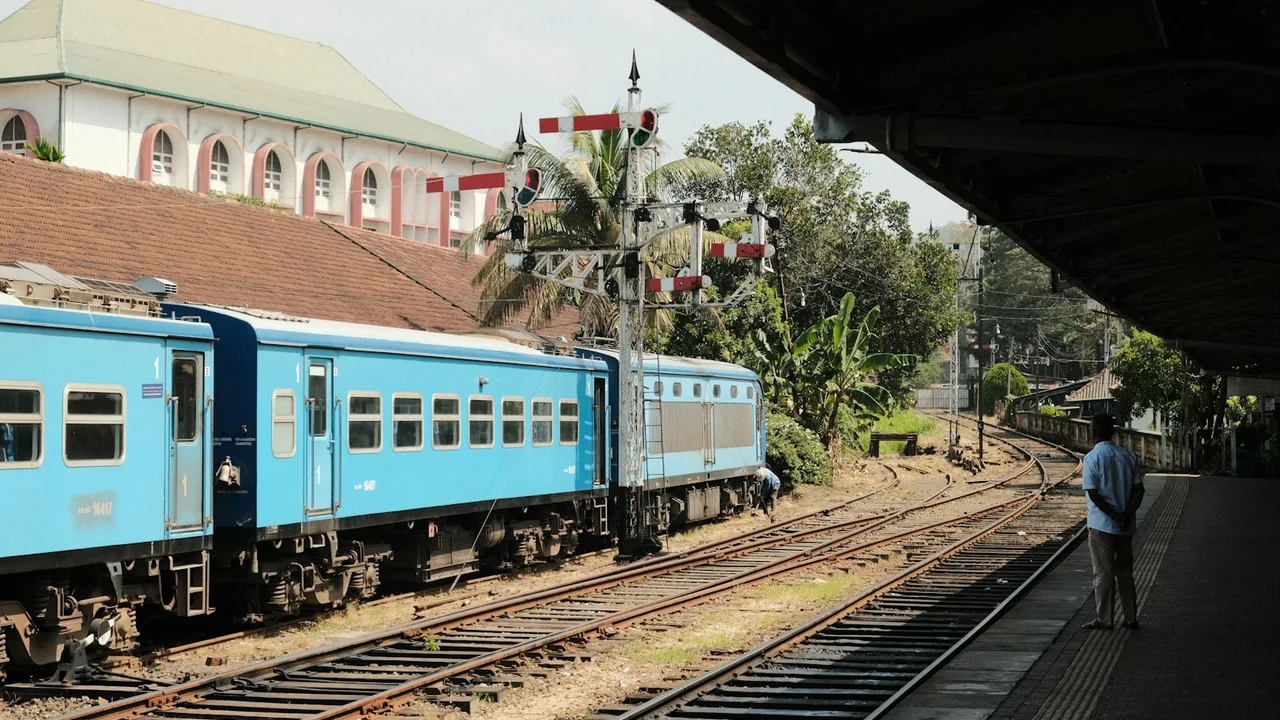
A longer train ride is a good choice when you are happy to make the journey the main activity. It gives you more time to settle into the carriage and see changing landscapes, but it may leave less time for viewpoints, a tea visit or stops on the road. Confirm the departure and arrival on the actual service and keep the remainder of the day light.
A shorter rail section can work better when you want a mix of train travel and sightseeing by vehicle. For example, a traveller who wants to spend a night near Nuwara Eliya can explore the area by road and then search for a suitable Nanu Oya–Ella departure. The shorter rail section still needs a station transfer, tickets and an onward plan.
Neither option is automatically faster or cheaper door to door. Compare the time leaving your hotel, the drive to the station, boarding, the actual train journey and the transfer to your next accommodation. Check what happens to luggage and whether the driver will wait or travel separately.
Match station names to your hotels
The town on your hotel reservation may not be the station to enter in the railway search. Keep the exact station shown on your ticket and the address where your vehicle will meet you. Agree whether the meeting point is at the station entrance, another exit or a nearby agreed location; the details depend on the location and your quotation.
For Nuwara Eliya, travellers generally use Nanu Oya station and complete the connection by road. In Colombo, check whether the selected train uses Colombo Fort or another station. If you start at the international airport or in Negombo, that road journey to the chosen railway station is a separate part of the plan. At Ella or Kandy, check the actual arrival station before telling a driver where to meet you.
Carry your hotel name, station name and booking information offline. For families, decide who will look after the children and manage each bag while moving between the vehicle, platform and carriage. Station facilities can vary; travellers requiring assistance should check the specific station and carriage in advance.
How to check train times and service changes
Use the railway's schedule search to investigate your departure and arrival stations. Review the direction, train number, expected times and stops. Search the return separately: a service in one direction does not establish the time or availability of the return train.
Then check whether a reservable train and class appear for your date on the official booking platform. The timetable and the reservation system serve different purposes. A train shown in a timetable is not the same as a confirmed booking, and an unavailable online seat can have more than one cause. The railway's current notices and direct confirmation are especially important after weather, maintenance or other disruption.
Recheck your journey closer to departure and give yourself a reasonable buffer for the road connection. Our Sri Lanka train timetable guide explains the search process and what to do when the result is unclear. We do not promise fixed departure times because an old timetable can become inaccurate.
How Sri Lanka train ticket booking works
For an ordinary online reservation, start at the Sri Lanka Railways reservation website. The operator's booking FAQ explains account registration, required passenger details, payment and the emailed e-ticket. Search the stations and date you actually need, then check the class, total charge and conditions before paying.
The FAQ currently describes reservations up to 30 days before travel, a maximum of five seats in one transaction and online booking up to two hours before departure, subject to availability. The platform requires each passenger's NIC or passport details and allocates seats automatically. These rules can change, so confirm the current terms rather than assuming that a particular window seat or adjacent group of seats can be selected.
A selected train or a request for help is not a confirmed ticket. Check that payment has completed and that the railway has issued the confirmation. Keep the e-ticket and matching identification available, and review the operator's current cancellation and refund rules. The step-by-step booking guide covers this process in more detail.
Compare classes and plan your train budget
Train ticket prices depend on the route, service, class and applicable railway charges. Look at the total shown for the actual booking rather than relying on a fixed fare copied from an old travel blog. The railway FAQ lists observation, air-conditioned saloon, second class and third class among reservation types; the choices on a particular train depend on the service and remaining seats.
A reserved seat offers more certainty about having a place, but does not guarantee a particular window, view or adjacent seats. An unreserved option may exist on some services, yet space and ticketing arrangements must be confirmed with the railway for that journey. Do not assume that an unreserved ticket will be available or that it includes a seat.
Budget for the complete itinerary: railway tickets, any quoted ticket assistance, station transfers, driver waiting or vehicle positioning where applicable, meals and accommodation. Train fares and private-driver hire are separate unless your written quotation says otherwise. Compare private-driver rates and ask for a quote based on your actual route and travel dates.
Can a private driver and train ride work together?
Yes. You can plan a road itinerary around a selected rail section, subject to the railway service and the arrangements in your driver quotation. One possible arrangement is a hotel-to-station drop-off, travel by train, and a separately agreed vehicle meeting at the arrival station. Another is to hire a driver for the road days and arrange a different transfer for the train day. The best choice depends on your route, timing and luggage.
When you book a private-driver service with Sri Lanka Chauffeur Guides, you can ask us to help arrange your train tickets. Tell us the preferred dates, passengers, route and class, together with how flexible you are. The railway controls the train, the seat availability and final confirmation. We cannot guarantee tickets or a particular seat before the operator confirms the booking.
Discuss the fare, any assistance charge, luggage responsibility, waiting and road costs before accepting your written quotation. Keep passports and important personal items with you, and do not send card details or passwords in a general enquiry. Our train and private-driver guide gives a practical checklist for the handover.
Examples: fitting a train into your holiday
Colombo and Kandy: If your holiday begins in Colombo, a confirmed train to Kandy can replace the road transfer for that portion. Agree a vehicle pickup at the correct arrival station and leave your first afternoon flexible. If you arrive on an international flight, avoid assuming you will reach the railway station immediately after landing; immigration, bags and road traffic all take time.
Kandy, Nuwara Eliya and Ella: A trip that includes an overnight stay near Nuwara Eliya can use road travel for sightseeing before the hill-country station transfer. If a suitable service and seats are confirmed, you can take Nanu Oya to Ella and meet your driver after arrival. If your priority is a longer day on the train, investigate the full Kandy–Ella option instead, including current disruption notices.
A longer private tour: A rail day can be considered within a wider itinerary that includes the Cultural Triangle, Kandy, the hills or the coast. Compare our seven-day itinerary and other Sri Lanka itineraries, then tell us how much time you want for the train. These examples are flexible suggestions, not fixed railway schedules or guarantees of availability.
What will you see on a Sri Lanka train ride?
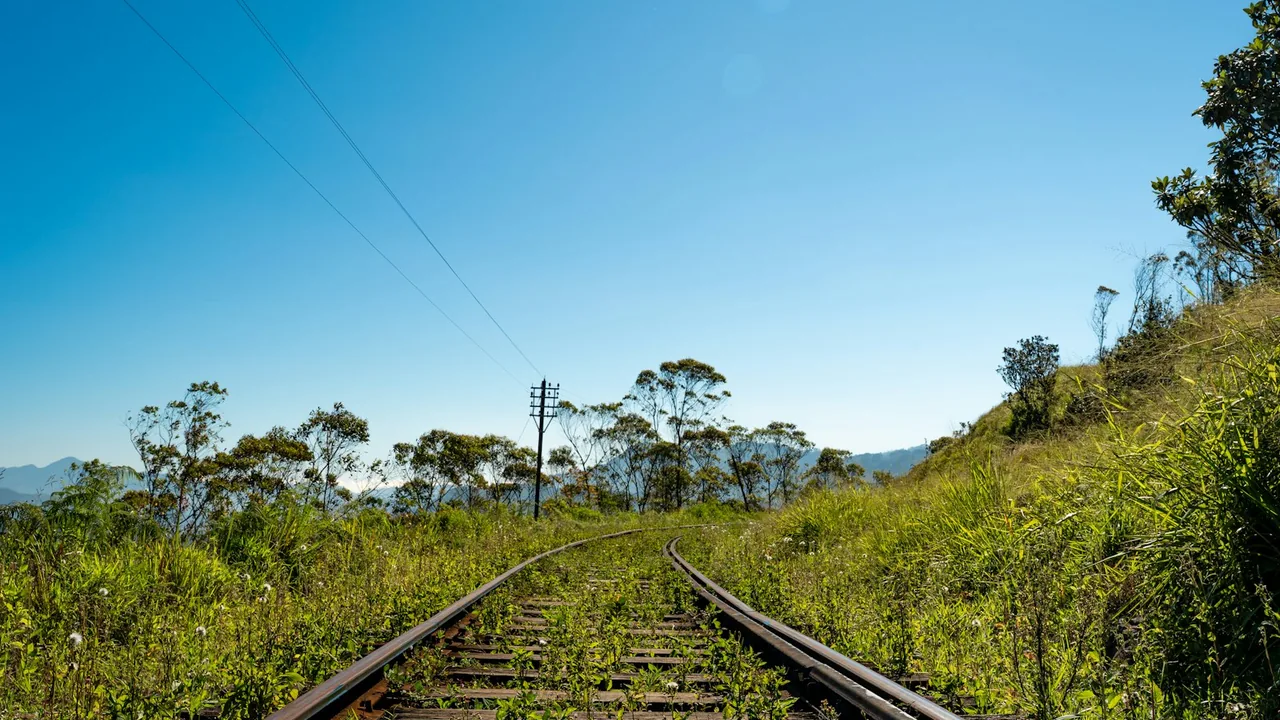
Hill-country views can include tea-growing slopes, forest, villages and distant ridges. On the coastal line, some sections offer views of the sea and towns. Your experience will depend on your route, direction, weather, time of day, carriage and the position of the assigned seat. Clouds, rain, vegetation and tunnels can change what is visible; a clear view or a specific side cannot be promised.
The Nine Arch Bridge is between Ella and Demodara, beyond Ella when travelling from the Nanu Oya direction. A ticket that ends at Ella does not automatically include crossing the bridge. If riding over it matters to you, check the actual train, destination and stops with the railway. A visit around Ella by road can also be discussed separately as part of an agreed itinerary.
Enjoy the journey from inside the carriage. Do not lean from windows or open doors for photographs, and follow station and railway staff instructions. Travel imagery online does not make unsafe behaviour appropriate. Read our scenic train ride guide for more detail on the views and route choices.
Weather, timing and travel flexibility
Sri Lanka's weather differs by region and season, and hill-country conditions can change during a single day. You may encounter sun, rain or mist on the same journey. Instead of choosing a non-refundable itinerary solely for a promised view, keep a flexible day where possible and carry a light layer, water and protection for your camera or phone.
Check the current train time against hotel checkout and your onward plans. A service that appears attractive on a map may arrive too late for the activities you hoped to do. Avoid placing an international flight or another important, fixed-time connection immediately after a long train journey. Where an early start is needed, an overnight stay near the departure area may be more practical than a long same-day road transfer.
If your dates are fixed, investigate availability before booking tightly connected transport. If the train is an optional highlight, agree in advance which part of your road itinerary can be adjusted if the service changes. Weather does not follow a fixed schedule, so use up-to-date forecasts and operator notices near your travel date.
Families, luggage and practical comfort
Plan the journey around what each traveller can comfortably manage. Families may prefer an itinerary with fewer changes and enough time at each station. If you need adjacent seats, specific accessibility facilities or assistance boarding, check directly with Sri Lanka Railways; the online system allocates seats automatically and facilities vary by train and station.
Decide whether bags travel with you or, if specifically agreed, in the private vehicle. Keep medication, passports, valuables, water and the railway ticket with the people travelling by train. Ask the railway for its current luggage requirements when you have bulky items. If a vehicle carries the bags, agree where and how the handover will happen and who is responsible for them.
Save your train confirmation, driver contact and hotel details somewhere accessible without mobile service. At the station, follow staff instructions and allow time to locate the platform and carriage. A simple plan for a delayed train or missed connection reduces pressure, especially for travellers with children.
What if the train is sold out or cancelled?
First check that the station names, direction, date and number of passengers are correct. The railway FAQ says that an unavailable online result can mean no train, no seats on the selected date or no seats available for online reservation. Contact an enabled railway station or the operator for the current options; the result alone does not tell you which explanation applies.
If you have flexibility, ask about another date, service or a different section that genuinely fits your itinerary. If rail is not suitable, discuss travelling by road instead. Confirm the alternative before changing accommodation or assuming that an unreserved train ticket is available.
When a train is cancelled or an existing reservation needs to change, use the railway's current instructions for that ticket. Tell your driver and accommodation separately, since changing a rail reservation does not automatically update a hotel booking or a private vehicle arrangement. Waiting, extra distance or a different vehicle route may require a revised quotation.
Frequently asked questions about Sri Lanka train travel
What is the best train journey in Sri Lanka?
It depends on your route and the time you have. Kandy–Ella is a popular longer hill-country journey, while Nanu Oya–Ella can be a shorter option for someone already staying near Nuwara Eliya. Check current services before deciding.
Can I book train tickets online before arriving?
The official railway platform provides online reservations for available services. Check the current booking window, passenger requirements and availability; a seat is not confirmed until the railway confirms payment.
Can you help book tickets if I hire your driver?
Yes. Customers booking our private-driver service can ask for ticket-booking assistance. Train service and seat availability remain subject to the railway, and any fare or assistance charge should be confirmed in the written quotation.
Is the train included in the private-driver price?
Train fares are separate unless your quotation specifically includes them. The road itinerary and the railway reservation are distinct arrangements.
Are the train times on this page a timetable?
This page explains how to plan a journey; it does not publish fixed departures. Use the railway's current schedule search and notices for your exact date and stations.
Choose your next train guide
Ready to make a plan? Compare the Kandy–Ella, Nanu Oya–Ella and Colombo–Kandy route guides. Use the timetable guide to check services and the booking guide for the railway's reservation process.
Planning the rest of your holiday? Explore our Sri Lanka travel guides for the best time to visit, Ella and Mirissa, airport arrivals and more.
If you would like to combine rail with a private driver, request a tailored quotation and tell us your intended stations, dates, passenger count, luggage and whether you need help with tickets. We can then discuss a road itinerary that fits your plans, subject to railway service and seat confirmation.
